

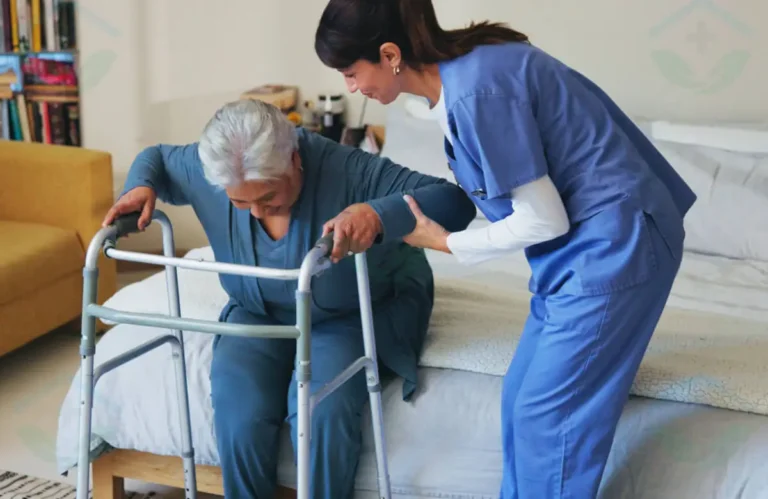
Helping a Stroke Patient Dress is an essential part of daily caregiving during stroke recovery. Many stroke survivors experience weakness, limited mobility, or difficulty using one side of their body, making dressing a challenging task. With the right techniques, patience, and adaptive clothing, caregivers can make the process safer, more comfortable, and less stressful. In this guide, you’ll learn practical dressing tips and discover how adaptive clothing can promote independence, dignity, and confidence for stroke survivors.
1. Wait and cheer people on.
People who have had a stroke may be upset by the things they can’t do. As a helper, your calm support and patience can help them feel good about themselves again. Give them extra time, praise small successes, and comfort them instead of rushing.
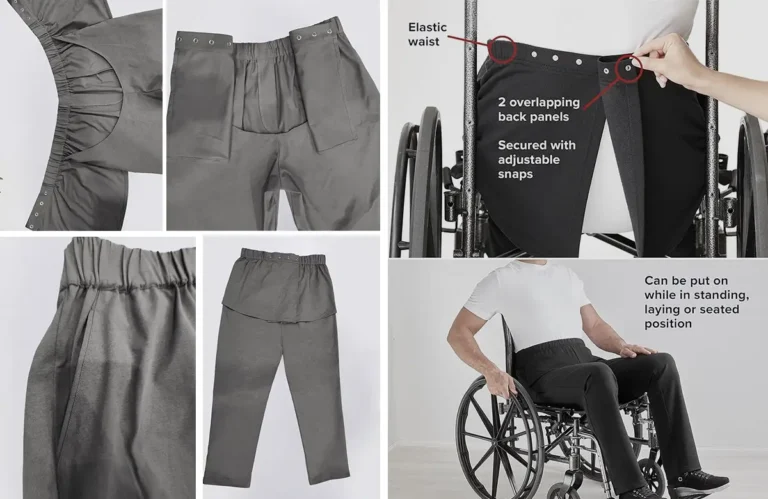
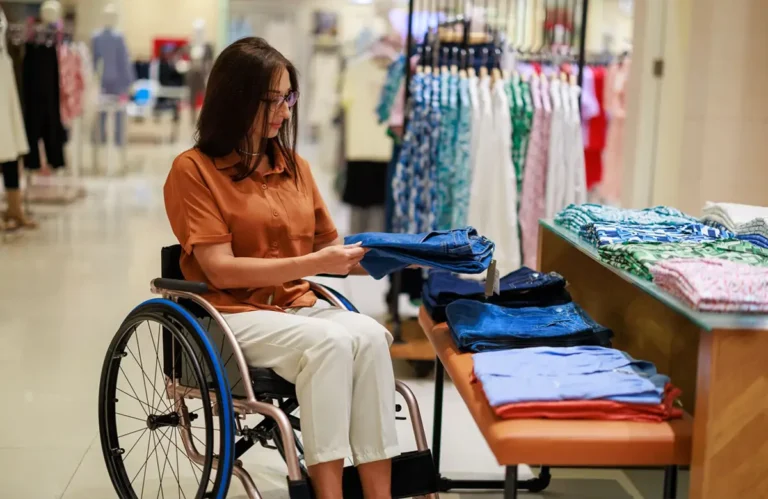
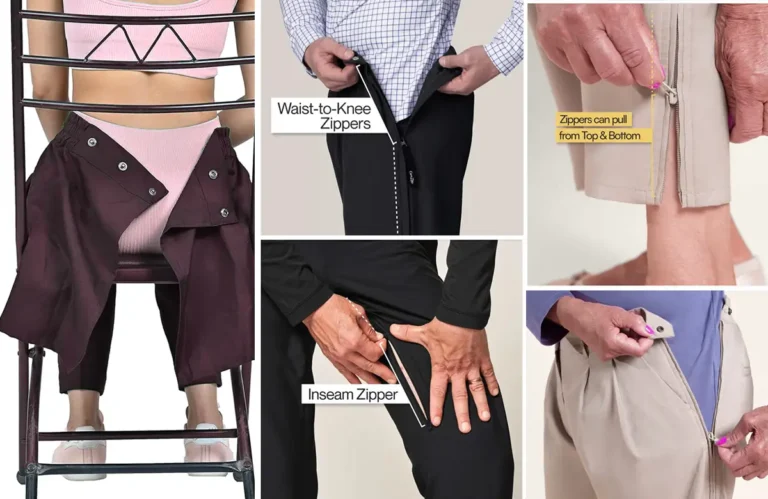
2. Choosing the Right Clothes for Stroke Patients
Look for modified clothing to make getting dressed easier for people who have had a stroke. The following traits are ideal:
-
- Use Velcro or magnets to close things instead of buttons.
-
- Pants that are easy to put on and have a stretchy waist.
-
- Clothes that tie on the sides or shirts with an open back.
-
- Styles that are relaxed to make it easier to move.
These traits make it easier on the body and make dressing easier, whether you need help or not.
3. Begin by treating the side that was hit.
When getting dressed, you should always start on the side of your body that is the least mobile. Once you’ve carefully put the hurt arm or leg into the sleeves or pants, you can wrap or pull the garment over the better side.
4. Make sure the environment is comfortable
The space should be warm and well-lit, and there shouldn’t be any other things going on. If it’s hard for them to stand, have them sit down. Use a strong chair with armrests or non-slip mats for extra comfort and support.
5. Encourage freedom whenever you can.
Even if the person can’t do everything on their own, let them do what they can, like putting their arm through a sleeve or zipping up a shirt. This helps stroke survivors reach their goals and boosts their self-esteem.
6. Use dressing tools if you need to.
Some useful tools are sock aids, button hooks, and reachers with long handles. These inexpensive dressing tools can make daily life a lot more comfortable for people who have had a stroke.
7. Plan ahead and keep things simple
Plan your outfits ahead of time and stick to a schedule. Don’t wear clothes that are too tight or too complicated. When people are familiar with each other, they both feel less stressed.
Careful Words from Wearly
Assisting a stroke patient with getting dressed is a personal and often stressful part of daily care. Caregivers can help a loved one recover while protecting their comfort and dignity by being patient, having the right tools, and dressing in clothes that are easy to move around in.


Harum et libero debitis ea aspernatur vel est. Vel ab enim eveniet earum
You would want to ensure the plugin is installed and activated for the section to be visible.
In odit sunt sed. Maiores tempora ut ducimus accusantium. Aut voluptatibus et quidem quibusdam ea nisi